Geological Origins of the Seven Coloured Earths Mauritius
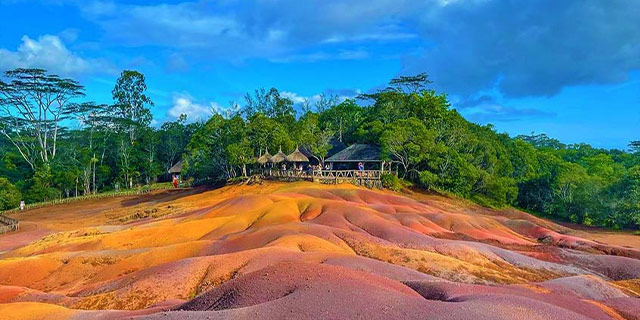
The Seven Coloured Earths Mauritius formed through intense tropical weathering of basaltic rock over millions of years. Iron and aluminium oxides create the vivid palette in Chamarel, where volcanic activity from the island’s formation left mineral-rich deposits. Erosion exposed layers without mixing them, resulting in distinct bands of soil that resist blending due to varying densities and compositions. Scientists attribute the phenomenon to specific oxidation processes under Mauritius’s humid climate, preserving the colours for centuries.
Exploring the Distinct Colors of Chamarel
Visitors encounter seven primary hues at the site: deep red from iron oxide, brown from manganese, violet and purple from magnesium compounds, green from chlorite, blue from iron-rich clays, and yellow from limonite. These shades shift subtly with light angles, producing a living canvas. The earth’s texture feels fine and powdery, yet stable enough for designated viewing paths. Seasonal rainfall enhances vibrancy, making the landscape appear freshly painted after showers.
Planning Your Trip to Seven Coloured Earths Mauritius
Reach the site via the winding road from Black River or through the scenic route from Port Louis, approximately 45 minutes by car. Public buses run to nearby Chamarel village, followed by a short taxi or walk. Renting a vehicle offers flexibility for combining stops. Book tickets online in advance during peak seasons to secure timed entry slots and avoid queues.
Optimal Visiting Times and Weather Considerations
Early morning visits from 8:30 am deliver cooler temperatures and softer light ideal for observation. Avoid midday heat between 11 am and 2 pm, when humidity peaks. The dry season from May to November provides clearer skies and fewer rain interruptions. Monsoon months bring lush surroundings but occasional closures for safety, so check forecasts before travel.
Admission Costs and Operational Hours
Entry fees stand at 300 Mauritian rupees for adults and 150 for children under 12, covering access to both the coloured earths and adjacent waterfall viewpoint. The site opens daily from 8:30 am to 5:30 pm, with last admission at 4:45 pm. Group discounts apply for parties exceeding ten people, and annual passes exist for frequent local explorers.
On-Site Experiences and Trails
A 300-metre elevated wooden walkway loops around the main formation, offering panoramic views without disturbing the fragile surface. Informative panels detail mineral origins and local flora. Adjacent trails lead to the 100-metre Chamarel Waterfall, where water cascades over cliffs into a natural pool. Guided tours lasting 45 minutes explain ecological interactions and answer visitor questions.
Capturing Stunning Photographs at the Site
Position cameras at the upper platform for sweeping colour gradients against the sky. Use polarizing filters to reduce glare on the soil surface during bright afternoons. Early light accentuates contrasts between red and green bands, while sunset hues complement the purple tones. Tripods are permitted on marked areas only to protect the terrain.
Combining Your Visit with Nearby Attractions
Extend the day with a stop at the Chamarel Rum Distillery for tastings of aged varieties produced from local sugarcane. The Ebony Forest reserve nearby showcases endemic species and conservation projects. Drive further to the seven-coloured earths viewpoint at La Terre des Sept Couleurs for alternative angles. Many travellers pair the experience with a Creole lunch featuring fresh seafood at village restaurants.
Sustainable Tourism Practices
Strict rules prohibit stepping off pathways to prevent soil compaction and colour fading. Waste bins and recycling stations encourage responsible disposal. Proceeds from entry fees support reforestation efforts around Chamarel, restoring native vegetation that stabilizes the slopes. Visitors are encouraged to purchase locally made souvenirs crafted from recycled materials.
Essential Visitor Advice and Precautions
Wear sturdy shoes for the slightly uneven walkways and carry water to stay hydrated. Sunscreen and hats protect against strong UV exposure at higher elevations. Insect repellent proves useful near the waterfall area. Respect quiet zones for photography enthusiasts and follow staff instructions during any weather-related alerts. Families should supervise children closely near railings for safety.