Discovering the Rich History of Le Morne
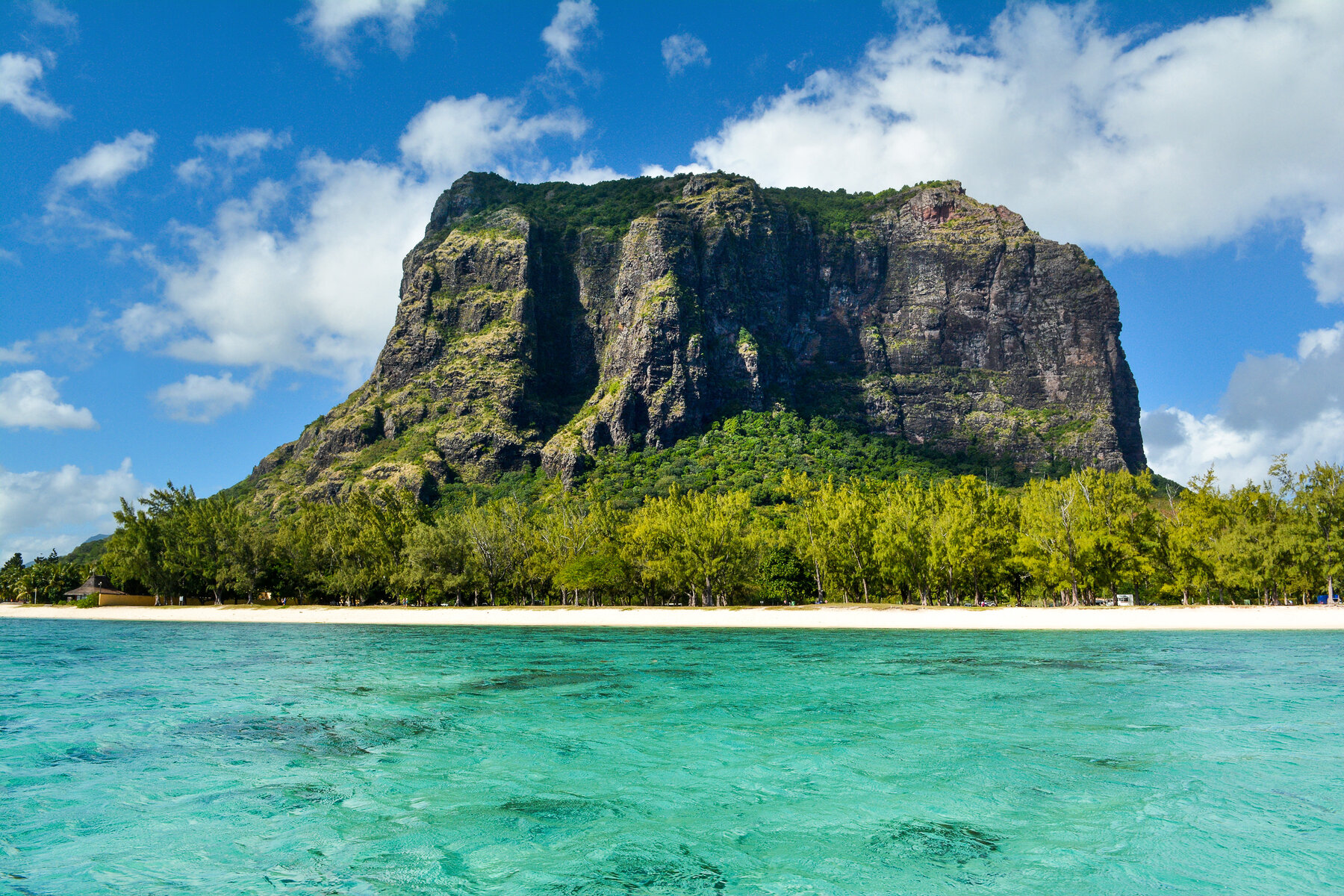
Le Morne Mauritius holds deep cultural roots as a UNESCO World Heritage Site, commemorating the 18th-century runaway slaves who sought refuge in the rugged Le Morne Brabant mountain. This peninsula’s history of resistance shapes its identity, with annual commemorations drawing visitors interested in Mauritius’s multicultural past. Archaeological sites and interpretive trails reveal stories of maroon communities, blending seamlessly with modern eco-tourism.
Reaching Le Morne: Transportation Tips
Access Le Morne via Sir Seewoosagur Ramgoolam International Airport, a 90-minute drive along scenic coastal roads. Rent a car for flexibility or book private transfers from hotels in Grand Baie or Port Louis. Public buses run sporadically, so taxis or ride apps provide reliable options. Fuel stations and scenic viewpoints line the route, enhancing the journey through sugarcane fields and fishing villages.
Pristine Beaches of Le Morne
Le Morne’s beaches feature powdery white sand and turquoise lagoons ideal for relaxation. Le Morne Public Beach offers calm waters for swimming, while nearby Kite Beach attracts wind enthusiasts. Crystal Rock Beach provides secluded coves perfect for picnics. These shores maintain clear visibility for snorkeling, with coral reefs teeming with tropical fish. Sunsets paint dramatic backdrops against the mountain silhouette.
Must-Visit Attractions in Le Morne
Le Morne Brabant Mountain stands as the peninsula’s iconic landmark, offering hiking trails with panoramic views. The 555-meter summit rewards climbers with ocean vistas. Cultural monuments include the Slave Route Memorial, featuring statues and plaques detailing emancipation narratives. Nearby, the Le Morne Peninsula’s wetlands support birdwatching tours spotting rare species like the Mauritius kestrel.
Thrilling Activities and Water Sports
Le Morne excels in adventure sports, particularly kite surfing due to consistent trade winds from June to November. Operators like those at Kite Beach provide lessons and rentals for all levels. Scuba diving reveals shipwrecks and vibrant reefs, while stand-up paddleboarding suits calmer lagoons. Horseback riding along the shoreline and quad biking through dunes add variety. Packages often bundle these with safety briefings.
Where to Stay: Luxury Resorts and More
Accommodations range from five-star resorts like Lux Le Morne and Paradis Beachcomber to boutique villas with private pools. These properties emphasize sustainability, using solar power and local produce. Mid-range options include guesthouses in nearby villages offering authentic Creole hospitality. Book early for peak season to secure ocean-view rooms equipped with modern amenities.
Culinary Delights in Le Morne
Dining highlights fresh seafood, dholl puri, and Mauritian curries at beachfront restaurants. Resorts feature international buffets alongside local specialties like octopus vindaye. Street vendors serve fresh coconut water and gateaux piments. Wine pairings with lagoon views elevate evenings, with menus incorporating organic ingredients from island farms.
Essential Travel Tips
Pack reef-safe sunscreen and lightweight clothing for tropical conditions. Respect protected areas by following marked paths to preserve biodiversity. Currency is the Mauritian rupee, with ATMs available in Le Morne village. Health precautions include mosquito repellent, and English plus French serve as primary languages. Sustainable practices like reusable bottles align with eco-initiatives.