
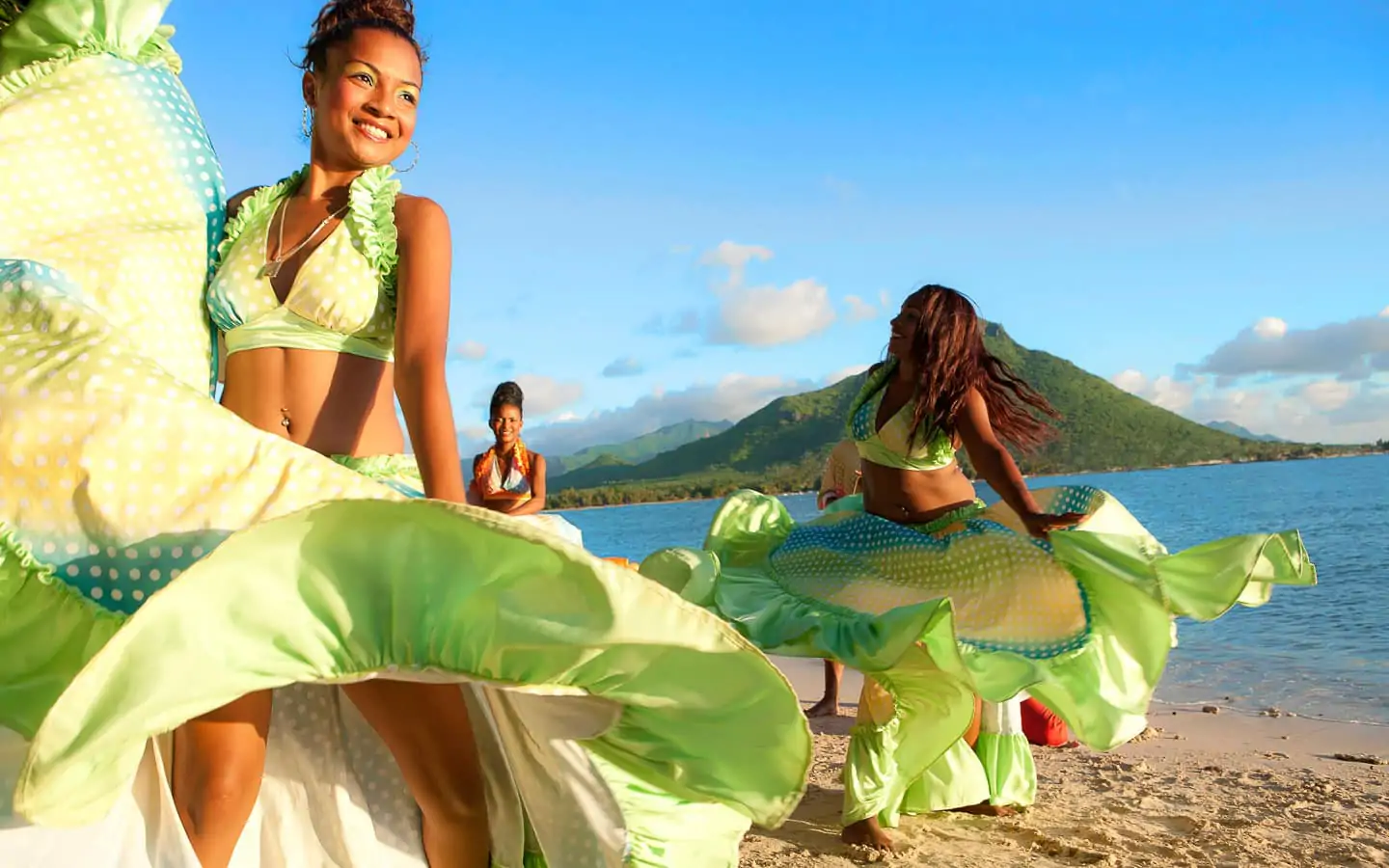
Mauritius culture thrives on a multicultural fusion shaped by Indian, African, European, and Chinese roots, evident in daily practices across the island. Hindu traditions emphasize spiritual rituals and community gatherings, with many families observing daily puja ceremonies at home altars adorned with fresh flowers and incense. These customs often involve offerings of fruits and sweets to deities like Lord Shiva and Ganesha, reinforcing familial bonds and moral values passed through generations.
Indian-Influenced Customs and Social Norms
Indian heritage dominates many social customs, particularly in rural areas where extended families live together and respect elders through gestures like touching feet during visits. Marriage customs follow arranged patterns blended with modern choices, featuring mehndi ceremonies where intricate henna designs adorn brides’ hands, symbolizing prosperity and joy. Participants exchange gifts such as jewelry and clothing, while astrologers determine auspicious dates based on lunar calendars. Food customs highlight vegetarian meals during religious observances, with staples like curries prepared from local spices highlighting resourcefulness in island agriculture.
African and Creole Traditions
Creole elements draw from African ancestry, manifesting in storytelling sessions around evening fires where elders recount legends of resilience and migration. These oral traditions preserve history without written records, fostering identity among younger generations. Respect for ancestors appears in cemetery visits on All Saints’ Day, combining with Christian elements for hybrid mourning practices that include floral tributes and shared meals.
Music, Dance, and Artistic Customs
Sega music and dance form core artistic customs, performed at social events with rhythmic drums and ravanne instruments creating hypnotic beats. Dancers move hips fluidly in colorful attire, expressing emotions from courtship to celebration, often accompanied by improvised lyrics in Mauritian Creole. Bhojpuri folk songs add Indian melodies during harvests, blending languages to celebrate agricultural cycles tied to sugarcane plantations.
Major Festivals Celebrated Nationwide
Diwali illuminates streets with oil lamps and fireworks, marking the victory of light over darkness through temple visits and sweet distributions like gulab jamun. Families clean homes thoroughly beforehand, symbolizing renewal, while children receive new clothes as tokens of good fortune. Maha Shivaratri draws massive pilgrimages to Grand Bassin lake, where devotees carry kanwars on shoulders for ritual bathing, showcasing unity across Hindu communities in colorful processions lasting days.
Eid-ul-Fitr concludes Ramadan with mosque prayers followed by feasts of biryani and vermicelli desserts shared among neighbors regardless of faith. This promotes interreligious harmony, a hallmark of Mauritius culture. Christmas customs incorporate European influences through midnight masses and decorated fir trees, yet locals adapt with tropical fruits in puddings and beachside gatherings featuring roasted meats. Chinese New Year features dragon dances and firecrackers in Chinatowns, with red envelopes containing money given to children for luck, reflecting Confucian values of respect.
Cavadee processions honor Lord Muruga with devotees piercing bodies with skewers in acts of devotion, accompanied by chants and flower offerings that draw spectators from all backgrounds. These events underscore tolerance, as public holidays accommodate multiple religions without conflict.
Culinary Customs and Daily Life
Culinary traditions blend flavors into dholl puri flatbreads filled with lentils, served with pickles and cari dishes that fuse spices from India with African stews. Meals occur communally, with hosts insisting on second helpings to display hospitality. Tea ceremonies at noon break work routines, often paired with discussions on community matters, embedding social customs into routine.
Family Structures and Gender Roles
Family customs prioritize collective decision-making, with women managing household rituals while increasingly participating in professional spheres. Respect protocols include removing shoes indoors and using respectful suffixes in conversations, maintaining harmony in diverse neighborhoods. Education customs encourage bilingual learning in English, French, and Creole to preserve linguistic heritage.
Evolving Customs in Contemporary Mauritius
Modern adaptations see youth incorporating global trends into traditional festivals, such as eco-friendly Diwali decorations using recycled materials. Tourism influences promote cultural shows for visitors, yet core practices remain authentic through village associations preserving Sega variations unique to regions like Rodrigues. These dynamics keep Mauritius culture dynamic while rooted in historical migrations that arrived via trade routes and indentured labor systems.
Word count: 1000.