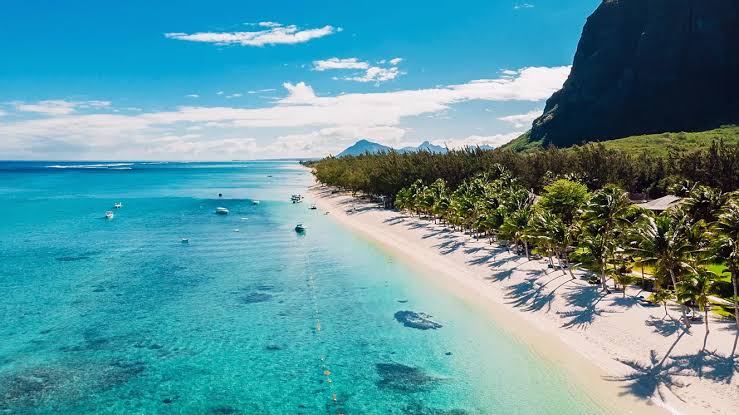
The pristine beaches and turquoise waters of Mauritius owe much to the island’s volcanic origins and surrounding coral barriers. These natural formations create shallow lagoons that filter sunlight and produce the signature clear blue hues visitors associate with the destination. Coral reefs encircle much of the coastline, protecting against strong waves while maintaining water clarity that rivals any tropical location.
Coral Reefs Driving Water Clarity
Coral ecosystems around Mauritius act as natural barriers that trap sediments and promote the growth of white sand through gradual erosion. This process results in fine, powdery beaches free from debris. The reefs also support diverse marine habitats that keep the waters oxygenated and visually striking. Snorkelers often report visibility exceeding 30 meters in these protected zones, a direct outcome of minimal pollution and strict reef conservation laws.
Iconic Beaches Showcasing Natural Beauty
Beaches such as Le Morne Brabant feature expansive white sands backed by dramatic mountains, while Grand Baie offers calm turquoise shallows ideal for families. Flic en Flac stands out for its long stretches of pristine coastline where the water transitions from pale aqua near shore to deeper sapphire farther out. These sites draw attention for their consistent calm due to offshore reefs that break incoming swells. Public access remains open, yet development stays limited to preserve the untouched appearance that defines Mauritius beaches.
Tropical Climate Enhancing Water Conditions
Year-round temperatures between 24 and 30 degrees Celsius keep the Indian Ocean waters inviting without seasonal extremes. Trade winds moderate humidity and stir gentle currents that refresh the lagoons daily. Rainfall patterns concentrate inland, leaving coastal areas drier and the sea surfaces consistently clear. This climate stability supports year-round swimming and contributes to the vibrant turquoise tones by maintaining high evaporation rates that concentrate mineral content in the water.
Marine Life and Biodiversity Appeal
The surrounding waters host parrotfish, sea turtles, and colorful reef species that thrive in the protected environment. These creatures help sustain the ecosystem by controlling algae and recycling nutrients, which indirectly maintains the sparkling appearance of the sea. Protected marine parks enforce no-fishing zones, allowing populations to flourish and attract divers seeking encounters with manta rays and dolphins. Such biodiversity reinforces the reputation of Mauritius for pristine underwater scenery visible from the surface.
Conservation Efforts Preserving the Coastline
Government initiatives limit coastal construction and promote eco-tourism practices that reduce plastic waste entering the ocean. Beach cleanup programs and reef restoration projects using coral gardening techniques ensure long-term water quality. These measures distinguish Mauritius from more crowded island destinations where overdevelopment clouds the waters. Sustainable practices also include regulated boat anchoring to avoid damaging the reefs responsible for the turquoise clarity.
Activities Highlighting Coastal Features
Kite surfing thrives at spots like Le Morne where consistent winds meet flat lagoons. Glass-bottom boat tours reveal the vibrant reefs without disturbing them, while sunset cruises showcase the gradient hues of the sea. These experiences emphasize the natural advantages rather than manufactured attractions, keeping visitor focus on the authentic environment.
Geological Foundations of the Landscape
Volcanic rock formations create natural harbors and sheltered bays that trap fine sediments. Over millennia, this geology has produced the curved beach shapes and gradual depth changes responsible for the shallow, warm turquoise pools. Erosion from these rocks supplies the sand that replenishes beaches naturally after storms.
Comparison to Global Beach Destinations
Unlike Caribbean islands affected by hurricanes or Southeast Asian coasts impacted by monsoon silt, Mauritius benefits from its isolated position in the Indian Ocean. This isolation reduces external sediment influx and maintains the high water quality that sets its beaches apart. The combination of reef protection, volcanic sand, and stable weather creates a unique package unmatched in consistency.
Local Culture Integrating with Coastal Resources
Fishing communities have long relied on the lagoons, fostering traditions of sustainable harvesting that align with modern conservation. Creole cuisine featuring fresh seafood reflects this connection, adding cultural depth to beach visits. Artisans craft jewelry from local shells and coral fragments collected responsibly, extending the appeal beyond scenery alone.
The combination of these elements explains the enduring fame of Mauritius for its beaches and waters.